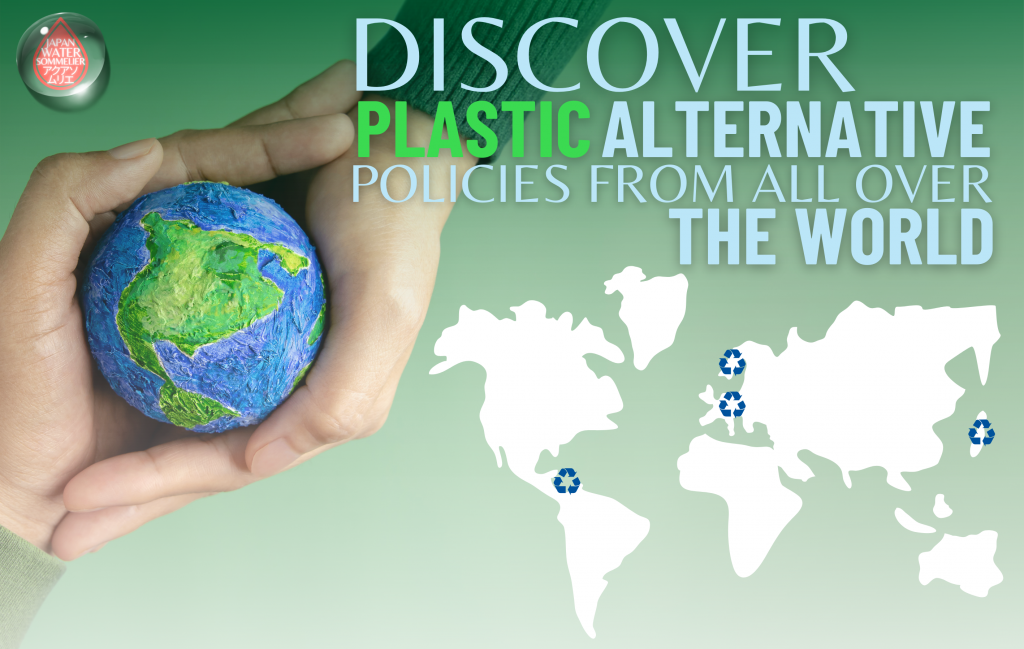
Plastic pollution is a global crisis, impacting our environment, wildlife, and human health. As a mineral water expert, it’s crucial to recognize the relevance of plastic recycling for your industry, as it pertains to the packaging of your products. In this article, we will delve into the significance of plastic recycling and explore the policies and practices in seven countries: Germany, France, Japan, Costa Rica, England, Sweden, and New Zealand.
The Importance of Plastic Recycling
Environmental Impact Plastic waste poses a grave threat to ecosystems and wildlife, with marine creatures often mistaking plastic debris for food. By recycling plastics, we can reduce plastic waste entering our oceans and natural environments.
Resource Conservation Recycling plastic conserves valuable resources, decreasing the demand for new plastic production, which relies on finite fossil fuels. Recycling is also the pursuit of finding effective ways to reduce energy consumption in recycling processes, reuse the same plastic products in recycling and manufacturing, decrease greenhouse gas emissions, and pollution associated with plastic manufacturing.
Economic Benefits An efficient recycling system generates economic benefits by creating jobs in recycling facilities and reducing waste management costs for local governments.
Circular Economy Recycling supports the concept of a circular economy, where products and materials are reused, manufactured, or recycled, minimizing the need for virgin resources and waste generation.
Germany: Pioneering Recycling Excellence
Germany is a global leader in recycling and waste management. Its “Green Dot” system encourages manufacturers to take responsibility for their packaging waste. The country has ambitious recycling targets, aiming to recycle 63% of all plastic packaging by 2022. Germany’s success lies in a well-structured collection and sorting system and public awareness campaigns.
France: A Circular Economy Vision
France is committed to reducing plastic waste. The country has banned single-use plastic bags and plastic straws, encouraging consumers to adopt more sustainable alternatives. France also promotes extended producer responsibility, making manufacturers financially responsible for managing their products’ end-of-life. Initiatives like the “Consign” system incentivize the return of empty bottles for recycling.
Japan: Technological Advancements
Japan, a nation with limited landfill space, has embraced innovation in plastic recycling. Advanced technologies like chemical recycling and pyrolysis are employed to convert plastic waste into valuable resources. Japan’s “Plastic Smart” policy encourages the development of plastic alternatives and promotes the use of biodegradable materials. Manufacturers, including Panasonic, Toshiba Group, Sony, Hitachi, and Mitsubishi Electric, are divided into groups to collectively pursue recycling while aiming to enhance recycling technology and reduce costs.
Costa Rica: A Model for Sustainability
Costa Rica is committed to sustainability and biodiversity conservation. The country aims to become carbon neutral by 2050 and is actively reducing its plastic footprint. Measures include promoting reusable containers and encouraging businesses to eliminate single-use plastics. Costa Rica’s stunning natural beauty is a testament to its dedication to preserving the environment.
England: Tackling Single-Use Plastics
England has taken significant steps to combat single-use plastics. The “Plastic Tax” levies a fee on plastic packaging with less than 30% recycled content. This incentivizes businesses to use recycled materials and reduce plastic waste. Additionally, England encourages bottle return systems and invests in recycling infrastructure.
Sweden: A Model of Sustainability
Sweden is renowned for its sustainable practices. The country has a robust recycling culture, with efficient waste-to-energy facilities that convert non-recyclable waste into energy. Sweden’s holistic approach to waste management focuses on minimizing landfill waste and maximizing resource recovery.
whoah this weblog is fantastic i really like reading your articles.
Keep up the great work! You already know, lots of people are
searching around for this information, you could aid them greatly.
I have to thank you for the efforts you have put in writing this blog.
I’m hoping to check out the same high-grade blog posts by you later on as well.
In truth, your creative writing abilities has encouraged me to get my own website now 😉
Hi there! I could have sworn I’ve been to this website before but
after reading through some of the post I realized
it’s new to me. Anyhow, I’m definitely glad I found it and I’ll be
book-marking and checking back often!
You are so interesting! I do not think I’ve read anything like that
before. So nice to discover another person with
some original thoughts on this issue. Seriously..
thank you for starting this up. This website is one thing that is required
on the web, someone with some originality!
I have read so many content concerning the blogger lovers however this article is actually
a fastidious paragraph, keep it up.
This was both engaging and educational. Bookmarking this site for future reference.