The Art of Onsen Therapy: Exploring Japan’s Healing Waters with a Certified Mineral Water Expert.
The Art of Onsen Therapy: Exploring Japan’s Healing Waters
As a certified mineral water expert and water sommelier with a passion for the profound natural wonders found in Japan, we invite you to delve into the world of onsen therapy, an age-old tradition deeply rooted in Japanese culture. Within these pages, we shall explore the therapeutic qualities of onsen waters, each brimming with nature’s healing essence, while keeping in mind that onsen are limited resources.
The Essence of Onsen Therapy
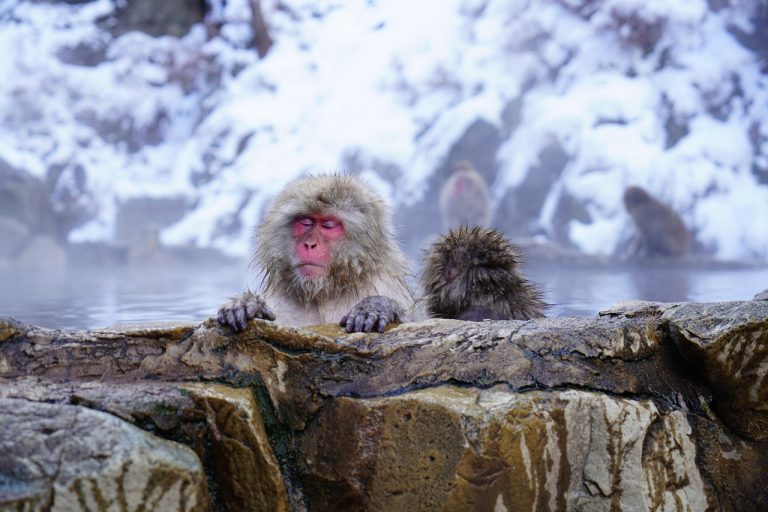
When you think of Japan, you might envision its stunning landscapes, serene gardens, and iconic cherry blossoms. However, Japan also boasts a remarkable natural treasure known as “onsen” or hot springs. These geothermal springs have been a cherished part of Japanese culture for centuries, offering a unique blend of cultural heritage and natural wonder.
The heart of onsen therapy lies in the simple act of immersing oneself in these mineral-rich waters. Each onsen has its own distinct mineral composition and temperature, providing a diverse range of therapeutic benefits. It’s here that my passion for water and expertise as a water sommelier comes into play. Let’s explore the healing properties of these mineral-rich waters.
The Healing Waters of Onsen
Minerals are the hidden gems in onsen therapy. These natural springs are teeming with minerals like sulfur, calcium, magnesium, and potassium, each contributing to the water’s unique properties and potential health benefits. Here’s a closer look at some of these minerals and what they can do for you:
Sulfur: Onsen waters rich in sulfur are renowned for their ability to soothe skin conditions like psoriasis and eczema. They’re also known to improve blood circulation and alleviate joint pain.
Calcium: High-calcium onsen baths can help enhance bone density and ease the symptoms of osteoporosis.
Magnesium: Magnesium has a calming effect on the nervous system. Bathing in magnesium-rich onsen waters promotes relaxation, reduces stress, and improves sleep quality.
Potassium: Potassium plays a crucial role in maintaining heart health and regulating blood pressure. Onsen waters with elevated potassium content may contribute to cardiovascular well-being.
Virginie’s Expert Insights: The Diversity of Onsen Waters
As a water sommelier, I’ve had the privilege of sampling onsen waters from various regions of Japan. The differences between them are subtle yet significant. It’s akin to savoring a fine wine; each sip tells a story of the earth it originates from.
The mineral composition of these waters not only affects their therapeutic properties but also adds to the sensory experience. Some onsens have a delicate, silky feel, while others may have a more invigorating or rejuvenating touch. These unique characteristics make each onsen visit a journey of discovery.
Onsen Therapy: A Cultural Treasure
Beyond its wellness benefits, onsen therapy is deeply rooted in Japanese culture. It’s more than just a bath; it’s a communal experience where people come together to unwind, socialize, and reconnect with nature. The etiquette surrounding onsen bathing reflects the reverence with which the Japanese approach this tradition.
Partaking in onsen therapy involves cleansing your body meticulously before entering the communal baths, ensuring that the water remains pure and untainted. It’s a gesture of respect for both the tradition and the fellow bathers.
Types of Onsen Experiences
Onsen enthusiasts can choose from a variety of experiences:
Indoor and Outdoor Onsens: Some onsens are enclosed in indoor facilities, offering privacy and shelter from the elements. Others are open-air, allowing you to soak in natural surroundings, often with breathtaking views of mountains or forests.
Public and Private Onsens: Public onsens are open to anyone, providing a communal experience. In contrast, private onsens can be reserved for exclusive use by individuals or groups, offering a more intimate experience.
Ryokan Onsens: Many traditional Japanese inns, known as ryokans, feature their own onsen baths for guests. Staying at a ryokan provides a holistic cultural experience, with traditional accommodations, kaiseki dining, and onsen therapy all in one package.
Regulations and Safety
The Japanese government regulates onsen water to ensure its quality and safety. Stringent standards are in place to maintain water quality, temperature, and hygiene, allowing visitors to enjoy the therapeutic benefits of onsen therapy with confidence.
A Journey of Wellness and Cultural Enrichment
In Japan, onsen therapy is more than a wellness trend; it’s a way of life. It’s a celebration of nature’s gifts, a communal experience, and an opportunity to immerse oneself in Japanese culture. The mineral-rich waters that flow through these ancient springs are a source of healing and rejuvenation, a testament to the profound connection between humans and the Earth.
My journey as a water sommelier has allowed me to appreciate the incredible diversity of mineral waters available in Japan’s onsens. Each visit is a journey of wellness and cultural enrichment, and I feel privileged to be a part of this unique experience.
Conclusion
Onsen therapy is a cherished Japanese tradition that invites visitors to connect with nature, relax in healing waters, and experience the rich tapestry of Japanese culture. Whether you’re a seasoned onsen enthusiast or a curious traveler, Japan’s healing waters offer a journey of wellness and discovery that’s unlike any other. It’s a testament to the power of nature, the legacy of tradition, and the artistry of water—a journey worth embarking on.