
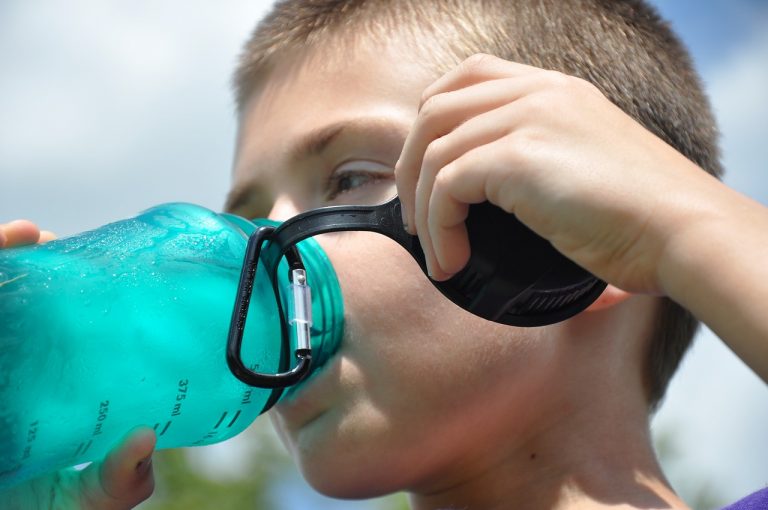
Have you ever wondered what happens to that pristine sip of water once it enters your body? Understanding the intricate process of how water is processed in your body can deepen your appreciation for this life-giving elixir. In this comprehensive guide, we will dive into the journey of water as it navigates through your body, exploring its crucial roles, health benefits, and the amazing biological processes that keep you hydrated.
The Importance of Hydration
Before delving into the intricacies of water processing, let’s reaffirm the fundamental role of hydration in the human body. Water is not merely a beverage; it’s a vital nutrient that influences every aspect of your health. It comprises a significant portion of your body’s composition and plays key roles in:
1. Temperature Regulation: Water helps regulate your body temperature by absorbing and releasing heat.
2. Nutrient Transportation: It acts as a transport medium, carrying essential nutrients and oxygen to cells and removing waste products.
3. Digestion: Water is essential for the breakdown of food and the absorption of nutrients in the digestive system.
4. Joint Lubrication: It lubricates joints and cushions organs, reducing friction and preventing damage.
5. Detoxification: Water supports the removal of toxins from the body through urine, sweat, and other waste products.
6. Cell Function: Cells rely on water to maintain their structure and carry out metabolic processes.
In essence, water is the cornerstone of life and the foundation of your overall well-being.
The Journey Begins: Ingestion
The journey of water processing begins with ingestion. When you take a sip of water or consume water-rich foods, such as fruits and vegetables, you introduce water into your body’s internal environment. Here, it embarks on a remarkable expedition, fulfilling its essential roles.
1. Absorption in the Stomach
As water enters your stomach, a small portion is absorbed directly through the stomach lining. This rapid absorption ensures that even in the absence of food, your body can quickly access some of the water’s benefits.
2. The Small Intestine’s Role
The majority of water absorption occurs in the small intestine. Here, water molecules pass through the intestinal walls and into the bloodstream, where they are transported to cells and tissues throughout your body. This process is essential for nutrient transportation, as water acts as a carrier, ensuring that vitamins, minerals, and other nutrients reach their intended destinations.
3. Distributing Nutrients and Hydration
Once in the bloodstream, water plays a pivotal role in distributing nutrients and maintaining proper hydration levels. It acts as a medium for the circulation of blood cells, ensuring efficient transport of oxygen and nutrients to cells and removal of waste products.
4. The Liver and Kidneys
The liver and kidneys are key players in water processing. The liver filters toxins from the blood, while the kidneys filter waste products and excess substances from the bloodstream to form urine. Water is a crucial component in these detoxification processes, supporting the liver and kidneys in their vital functions.
The Delicate Balance of Hydration
Maintaining proper hydration is a delicate balance. Your body constantly monitors its water levels and makes adjustments as needed to ensure optimal hydration. This balance is regulated by a complex interplay of hormones and bodily functions.
1. Thirst Mechanism
Your body’s thirst mechanism is the first line of defense against dehydration. When your body senses a drop in water levels, it triggers the sensation of thirst, prompting you to drink fluids. Responding to your body’s thirst cues is crucial in preventing dehydration.
2. Antidiuretic Hormone (ADH)
The pituitary gland releases antidiuretic hormone (ADH) in response to changes in blood osmolality, which measures the concentration of solutes in the blood. When blood osmolality rises, indicating dehydration, ADH signals the kidneys to reabsorb more water, reducing urine output and conserving fluids.
3. Kidney Function
Your kidneys play a central role in maintaining hydration. They adjust the concentration of urine based on your body’s hydration status. When you are adequately hydrated, your urine tends to be pale and dilute. In contrast, when you need to conserve water, your kidneys produce concentrated urine with a darker color.
4. Electrolyte Balance
Electrolytes, such as sodium and potassium, also influence hydration. These minerals help regulate fluid balance and osmotic pressure. Maintaining the right balance of electrolytes is essential for proper cell function and hydration.
5. Sweat and Thermoregulation
Your body uses sweating as a mechanism to cool down and regulate temperature. When you sweat, you lose water and electrolytes. It’s crucial to replenish these losses through hydration, especially during physical activity and hot weather.
Health Benefits of Adequate Hydration
Proper hydration is associated with numerous health benefits. Here are some compelling reasons to prioritize adequate water intake:
1. Cognitive Function: Staying hydrated can help improve cognitive function, including concentration, alertness, and memory.
2. Digestive Health: Water supports digestion by aiding in the breakdown of food and facilitating the movement of nutrients through the digestive tract.
3. Joint Health: Adequate hydration helps maintain joint lubrication and can alleviate joint pain and discomfort.
4. Kidney Function: Proper hydration supports kidney health and reduces the risk of kidney stones and urinary tract infections.
5. Skin Health: Hydrated skin appears more youthful and radiant, and water helps flush out toxins that can contribute to skin issues.
6. Weight Management: Drinking water before meals can help control appetite and promote weight loss by reducing calorie intake.
7. Immune Support: Water helps transport immune cells and antibodies throughout the body, supporting immune function.
Optimizing Hydration
To optimize hydration and ensure your body processes water effectively, consider these practical tips:
1. Listen to Your Body: Pay attention to your body’s thirst cues and drink water regularly throughout the day.
2. Balance Electrolytes: In cases of heavy sweating, consider electrolyte-rich beverages or supplements to maintain proper electrolyte balance.
3. Monitor Urine Color: Use the color of your urine as a simple indicator of hydration. Light, pale urine suggests adequate hydration, while dark urine may indicate dehydration.
4. Maintain a Balanced Diet: A diet rich in fruits and vegetables can contribute to hydration, as these foods contain water and essential nutrients.
5. Limit Dehydrating Substances: Reduce your consumption of dehydrating substances such as caffeine and alcohol, which can increase fluid loss.
6. Consider Individual Needs: Factors like age, activity level, climate, and underlying health conditions can influence your hydration requirements. Tailor your water intake accordingly.
7. Hydration Timing: Drinking a glass of water upon waking and before meals can help ensure you start your day and meals well-hydrated.
Conclusion
In conclusion, the journey of water through your body is a remarkable process that underscores the vital importance of proper hydration. Water’s role in maintaining temperature, transporting nutrients, supporting digestion, and detoxifying the body cannot be overstated. By understanding