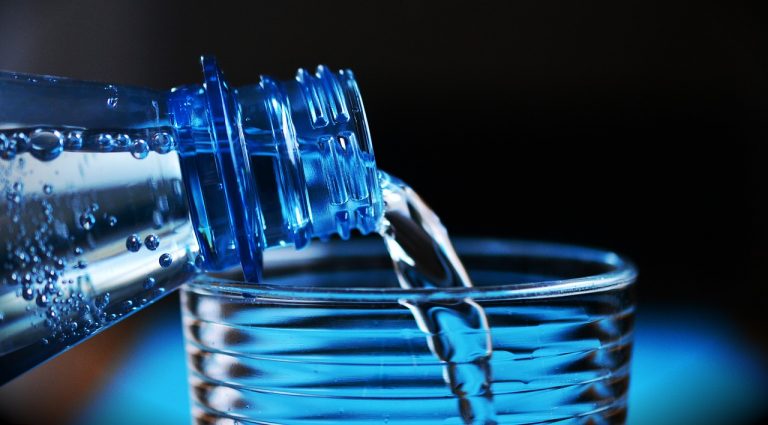
Did you know? Mineral water contains a large quantity of dissolved minerals or gases. Mineral water from natural springs commonly has a high content of calcium carbonate, magnesium sulfate, potassium, and sodium sulfate.
As a mineral water expert, my job is to advice professionals with food or beverage pairings and reveal you all the mineral water secrets.
Demystifying Mineral Water: What Sets It Apart from the Rest
As a water sommelier, you’re no stranger to the wide variety of waters available to quench our thirst. Among these, “mineral water” holds a unique place, celebrated for its distinct flavor and perceived health benefits. But what exactly makes a water “mineral water”? In this comprehensive guide, we will delve deep into the world of mineral water, exploring its origin, composition, regulations, and the factors that set it apart from other types of water.
The Essence of Mineral Water
Mineral water is more than just a beverage; it’s a natural wonder shaped by geological processes and enriched with essential minerals. What distinguishes it from tap water or spring water is its unique mineral content. To truly appreciate mineral water, let’s break down the key factors that define it.
1. Natural Spring Origin
At the heart of mineral water lies its source—natural springs. These springs emerge from underground reservoirs or aquifers, often deep within the earth. As water seeps through layers of rock and soil, it becomes naturally enriched with minerals. This journey, lasting years or even centuries, contributes to the distinctive taste and mineral composition of the water.
Unlike tap water, which is typically sourced from municipal supplies and may undergo various treatments, mineral water springs forth in its purest form, unaltered by human intervention. It’s this pristine origin that sets the stage for mineral water’s unique qualities.
2. Mineral Composition
The defining feature of mineral water is its mineral content. This composition varies depending on the geographical location of the spring. The mineral-rich layers of rock and soil the water passes through impart a distinct blend of minerals, giving each mineral water its characteristic taste and health benefits.
Common minerals found in mineral water include calcium, magnesium, potassium, sodium, and bicarbonate. These minerals not only contribute to the water’s flavor but also provide potential health benefits. For example, calcium and magnesium are known for their role in promoting bone health, while bicarbonate can aid digestion.
3. Consistency and Purity
Mineral water must maintain consistency in mineral content and purity, as defined by regulations in various countries. This ensures that consumers can trust the quality and benefits of mineral water from one bottle to the next.
To earn the “mineral water” label, the water must meet specific criteria regarding mineral levels and purity. Authorities in different regions establish guidelines and conduct rigorous testing to ensure that these standards are met.
4. Packaging and Labeling
Another aspect that sets mineral water apart is its labeling and packaging. When you pick up a bottle of mineral water, you’ll often find detailed information about its source, mineral content, and even its specific benefits.
This transparency allows consumers to make informed choices and select mineral waters that align with their preferences and health goals. It’s also a testament to the industry’s commitment to quality and authenticity.
The International Perspective
Mineral water is enjoyed worldwide, and its definition and regulations can vary from one country to another. To give you a more comprehensive understanding, let’s explore how different regions approach the concept of mineral water:
Europe
In Europe, mineral water regulations are well-defined. The European Union (EU) has established clear standards for mineral water, ensuring that it originates from a protected underground source and maintains consistency in mineral content. Moreover, European mineral waters often carry the designation of “natural mineral water,” emphasizing their pristine and unaltered nature.
United States
The United States has its own regulations governing mineral water. The U.S. Food and Drug Administration (FDA) defines mineral water as water containing at least 250 parts per million total dissolved solids (TDS), with minerals and trace elements contributing to this TDS count. It must be sourced from an underground water source, and its label must clearly identify the mineral content.
Beyond the Label: Health Benefits and Myths
While mineral water’s mineral content is often cited as a source of potential health benefits, it’s essential to separate fact from fiction. Here are some common health-related considerations:
1. Mineral Enrichment
Mineral water can provide essential minerals like calcium and magnesium, which are vital for bone health and muscle function. However, the mineral content of mineral water can vary widely, so it’s important to read labels and choose brands that align with your nutritional needs.
2. Digestive Aid
Some mineral waters are touted for their digestive benefits, thanks to bicarbonate ions. Bicarbonate can act as a natural antacid, potentially helping to alleviate symptoms of indigestion.
3. Hydration
Like all types of water, mineral water plays a crucial role in keeping your body hydrated. Its mineral content can enhance the taste, making it an appealing choice for those who find plain water less enjoyable.
4. Electrolyte Balance
Mineral water can contribute to electrolyte balance, making it a suitable choice for athletes or individuals who engage in strenuous physical activities. Electrolytes like sodium, potassium, calcium, and magnesium help regulate fluid balance, nerve function, and muscle contractions.
5. Unique Taste and Experience
Beyond its potential health benefits, many people simply enjoy the distinctive taste and experience of mineral water. The combination of minerals and the journey from deep within the earth can create a palate-pleasing sensation.
However, it’s essential to remember that while mineral water can be a valuable addition to your hydration routine, it should be considered part of a balanced diet and overall healthy lifestyle. The primary goal should always be to stay well-hydrated with any safe and clean water source.
Exploring Mineral Water Varieties
As you venture into the world of mineral water, you’ll encounter a fascinating array of options, each with its own unique flavor profile and mineral composition. Here are a few notable varieties to explore:
1. Sparkling Mineral Water
Sparkling mineral water contains natural carbonation, which results from the water’s journey through underground layers of rock. This carbonation adds a refreshing effervescence, making it a popular choice for those who enjoy a bit of fizz.
2. Still Mineral Water
Still mineral water is prized for its purity and mineral content. It lacks the carbonation found in sparkling varieties, allowing you to savor the water’s mineral-rich taste in its purest form.
3. Regional Varieties
Different regions of the world offer their own unique mineral waters, each with distinct mineral compositions and flavors. Exploring these regional varieties can be a delightful journey into the world of water tasting.
4. Flavored Mineral Water
Some mineral waters come in flavored varieties, offering a subtle infusion of natural flavors like citrus, berry, or herbal essences. These options can provide a twist on the classic mineral water experience.
Savor the Wonder of Mineral Water
In conclusion, mineral water is a remarkable beverage that offers a sensory and potentially healthful experience. Its natural origin, unique mineral composition, and transparent labeling make it a standout choice among water enthusiasts.
When you choose a bottle of mineral water, you’re not just selecting a beverage; you’re embarking on a journey through geological time and nature’s laboratory. Whether you enjoy it for its distinct flavor, potential health benefits, or as a refreshing alternative to other beverages, mineral water stands as a testament to the extraordinary qualities of the world’s waters.